

< OUR WORK
Go4Gold, NHL & Sony / Ghostbusters: Frozen Empire AR
Yeah We made it to NHL / 10 Days, Zero space for errors
ABOUT
Madison Square frozen: cinematic spectacle in live NHL broadcasts
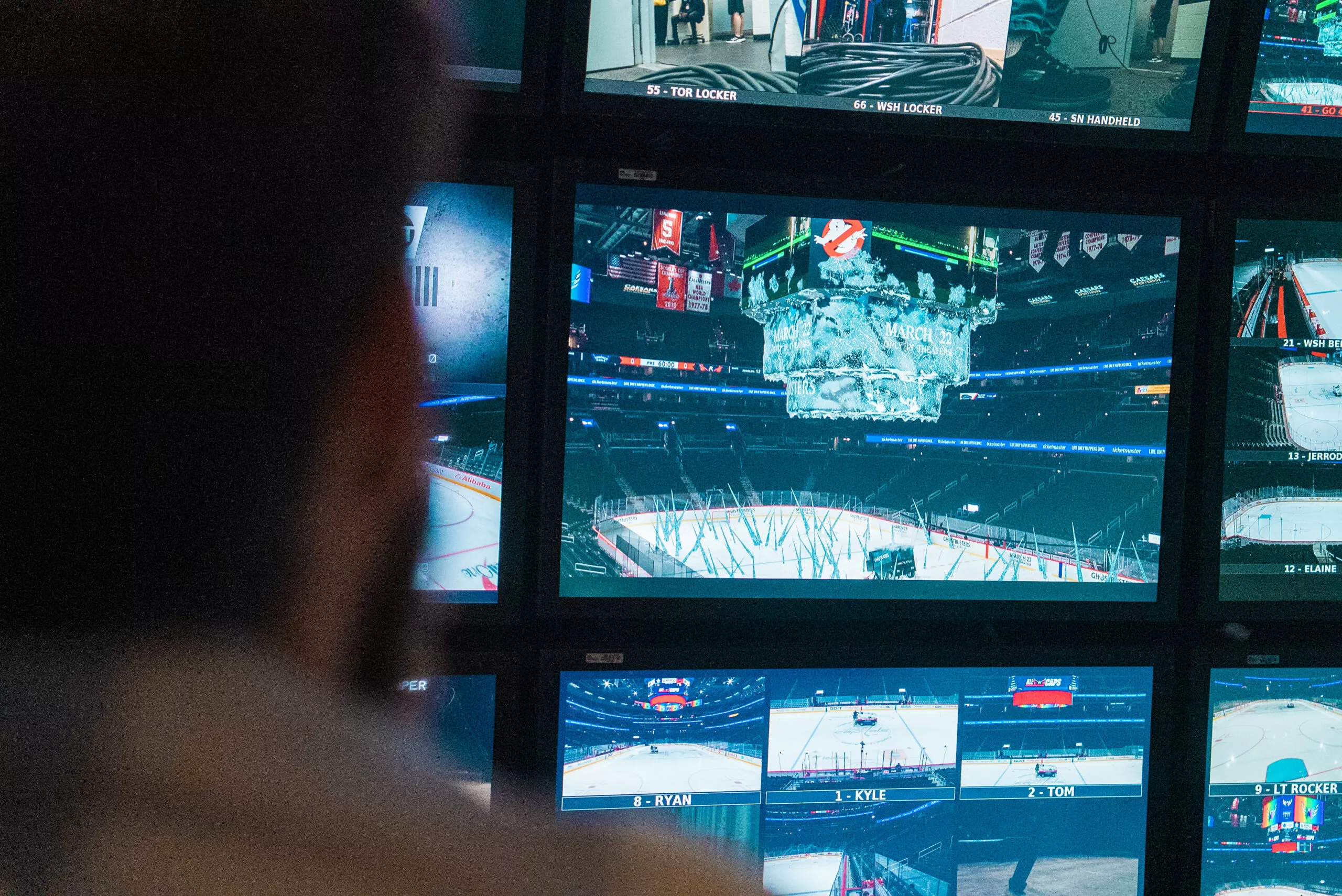
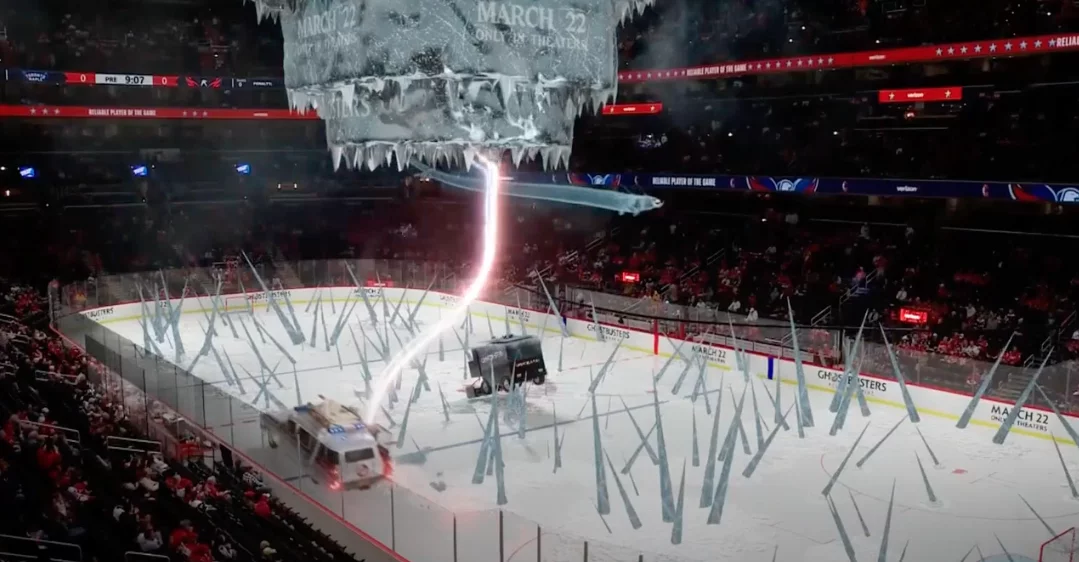
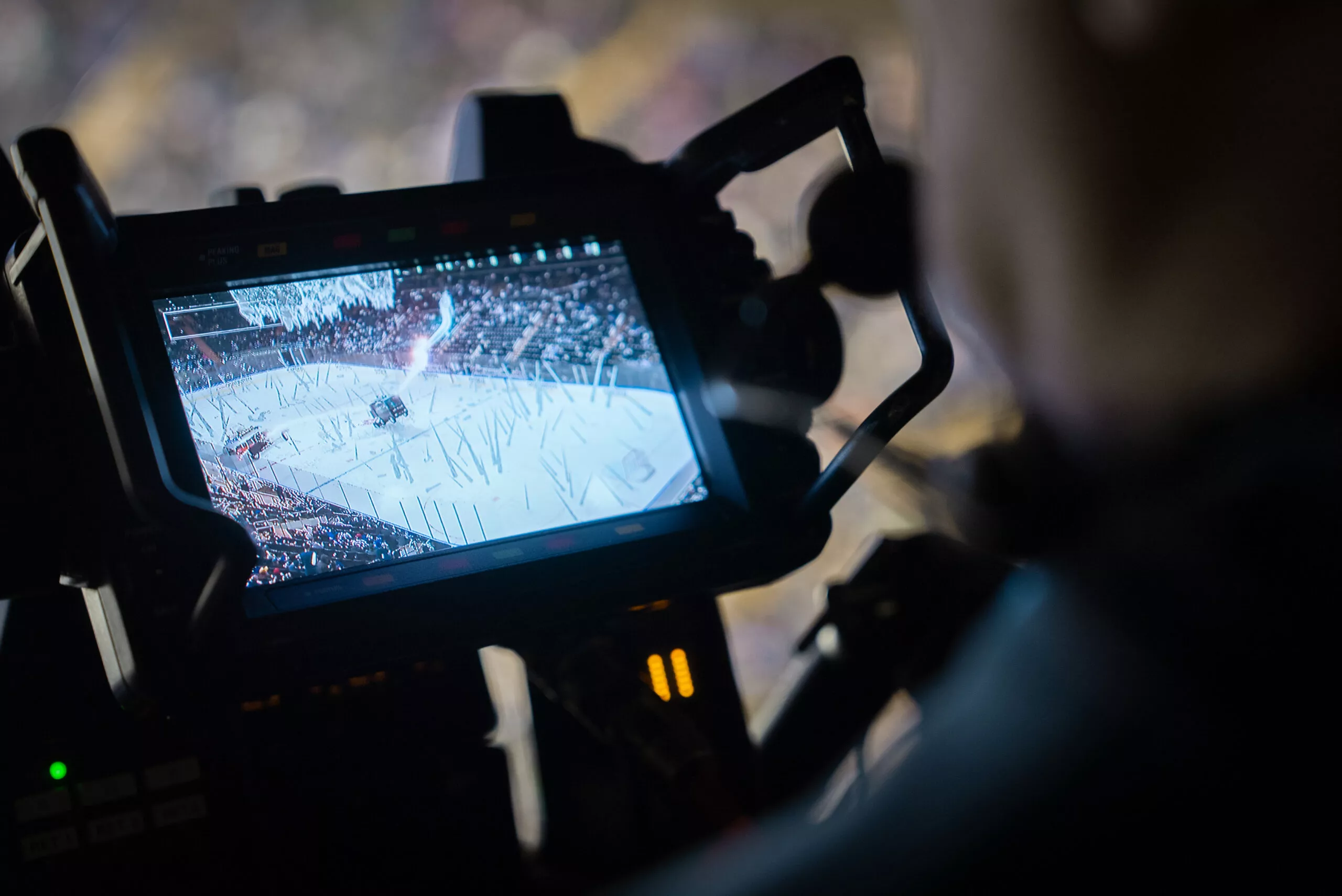
Partnering with Go4Gold, the NHL, and Sony Pictures, we produced an AR activation to promote Ghostbusters: Frozen Empire. The project brought the film’s chilling antagonists directly onto the ice at Madison Square Garden and Capital One Arena during live broadcasts, replacing traditional ad spots with a real-time battle between the Ectomobile and a massive frost dragon.

CHALLENGE
The 18 fps nightmare: a race against the broadcast clock
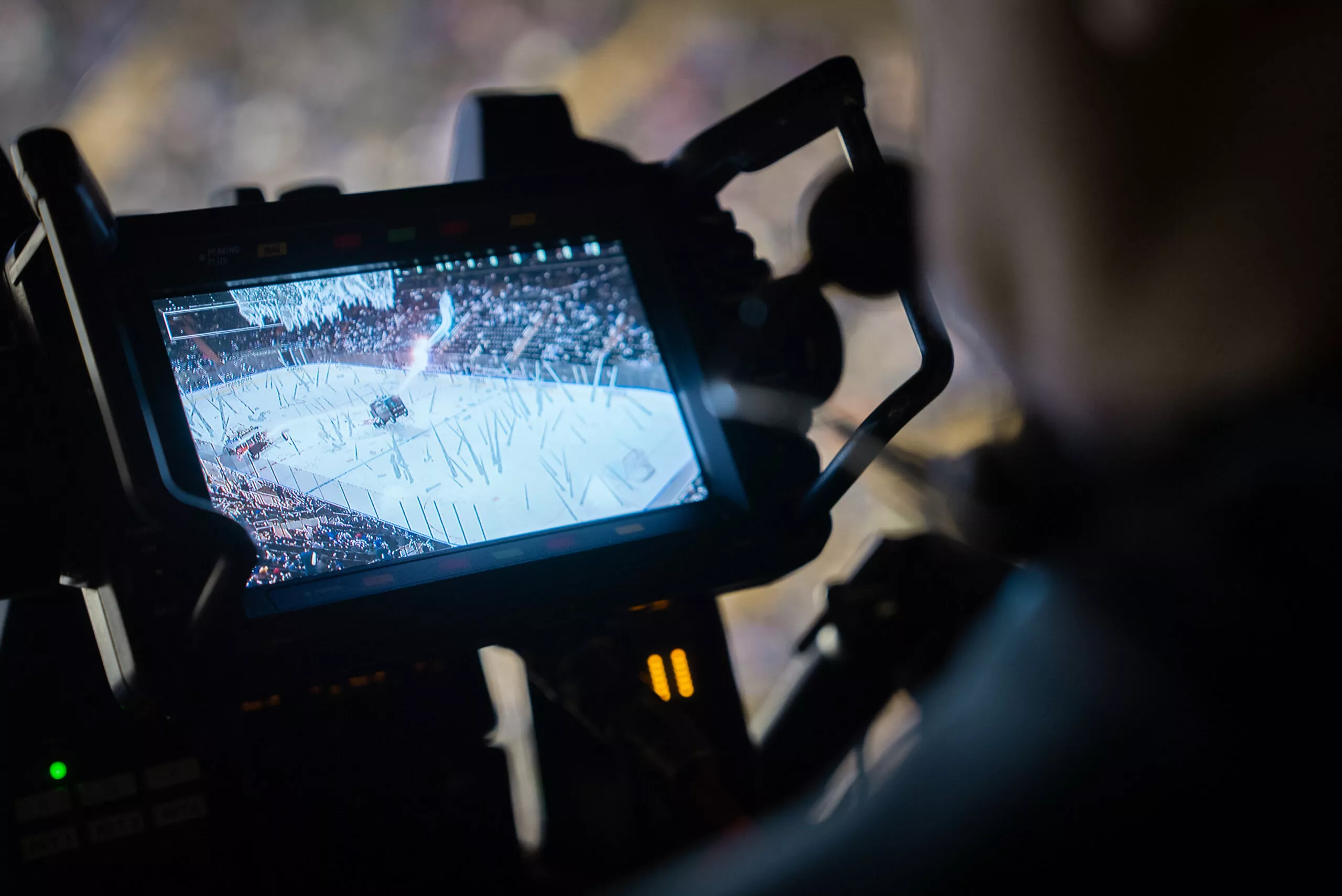
The project was defined by extreme technical constraints: a 10-day production window and the requirement to run film-quality assets in a live, real-time environment at a rock-solid 60 fps. The breaking point came late in the process when we realized our initial animation pipeline was dragging performance down to 18 fps—unacceptable for broadcast.
With only days left, we had to scrap our entire approach, re-rig the dragon from scratch, and rebuild the pipeline to meet the hardware's strict limitations while maintaining the film look approved by Sony Pictures.
“We had ten days, film assets never meant to run in real-time, and zero room for error with a live TV broadcast looming. At one point, we thought we were done—until we realized our animation setup was running at 18fps. That was the moment we realized everything was on the line.”
CRAFT
Optimizing Hollywood assets for the Unreal Engine pipeline
We optimized the film’s original high-poly assets—including the sewer dragon and Ecto-1—for real-time rendering in Unreal Engine. To solve the frame rate crisis, we pivoted from heavy Alembic caches to a lightweight, fully rigged FBX workflow.
We also developed a custom shader to mimic the dragon’s semi-transparent cinematic appearance without taxing hardware. Finally, everything was calibrated to a 1:1 digital replica of the arenas for seamless AR interaction with the physical environment.

RESULT
A game-changing advertising success delivered in hours
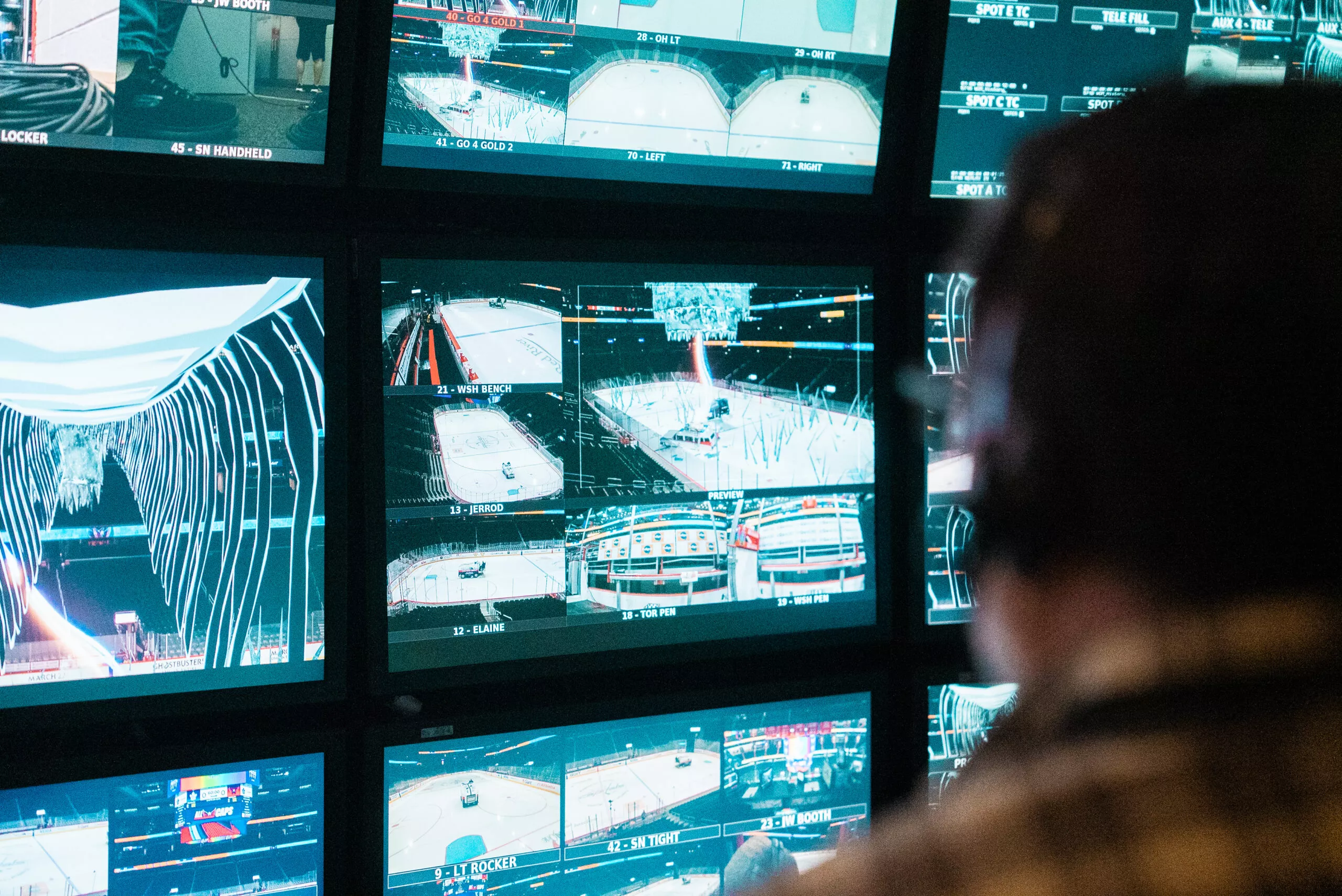
Delivered just hours before the broadcast, this visual experience captured millions of viewers across the US. The activation proved that AR can transform standard advertising into a major event, giving hockey fans a unique movie-magic experience. It has since become a industry benchmark for real-time audience engagement in sports.


“We had to scrap our approach, re-rig the dragon, rebuild the pipeline, and push everything through in days while matching a Sony-approved film look. In the end, we delivered just hours before the broadcast. It worked, but it was as close as it gets.”
Core team
- Marek Stolun
- Simon Lansky
- KARANDASH Animation Studio